


A sewer backup can send contaminated water through a basement floor drain, toilet, shower, or sink. The immediate cleanup is difficult, but the damage can also affect flooring, drywall, furniture, electrical equipment, and indoor air quality.
Edmonton homeowners can reduce the risk by looking after the private sewer line, keeping the home's drainage system clear, and maintaining flood-protection equipment. Backwater valves and sump pumps both help protect basements, but they solve different problems. Understanding that difference is a good place to start.
What causes a sewer backup?
Wastewater leaves the home through a private sewer service pipe and then reaches EPCOR's main line. A blockage or damaged pipe on the property can prevent wastewater from leaving. During major rain or rapid snowmelt, high flow in the drainage system can also contribute to water moving in the wrong direction.
Common causes include:
- Fats, oils, and grease poured into a drain
- Wipes, paper towel, hygiene products, and other items that do not break down like toilet paper
- Tree roots entering cracked or separated pipe joints
- Scale, debris, or buildup inside an older sewer line
- A sag, offset joint, collapse, or other pipe damage
- Heavy rainfall or rapid snowmelt that overwhelms drainage capacity
- A backwater valve that is dirty, stuck, damaged, or installed incorrectly
The homeowner is responsible for maintaining the sewer service on private property, including a backwater valve when one is present. EPCOR maintains the sewer system beyond the property line.
Know the warning signs
A complete backup is not always the first symptom. Arrange an inspection if you notice:
- More than one drain becoming slow at the same time
- A basement floor drain rising when a toilet or washing machine is used
- Gurgling from toilets, sinks, or floor drains
- Sewage odours that keep returning
- Water backing into a tub or shower
- A blockage that comes back soon after drain cleaning
- Unexplained wet areas or settlement above the sewer route outside
Stop using water if sewage is rising through a fixture or floor drain. Do not keep flushing toilets or running appliances to test the blockage. Avoid contact with contaminated water and call a plumber.
Keep problem materials out of drains
Put cooled cooking fat, oil, and grease into a sealed container and place it in the garbage. Even when hot water carries grease past the sink, it can cool and harden farther along the sewer line.
Flush only human waste and toilet paper. Products advertised as flushable may not break apart quickly enough to pass through the home's plumbing and the municipal system. Keep wipes, paper towel, dental floss, hygiene products, litter, and food scraps out of toilets and drains.
Use strainers in kitchen, shower, and laundry drains where appropriate. Clean them before debris is pushed farther into the plumbing.
Use camera inspection for recurring sewer problems
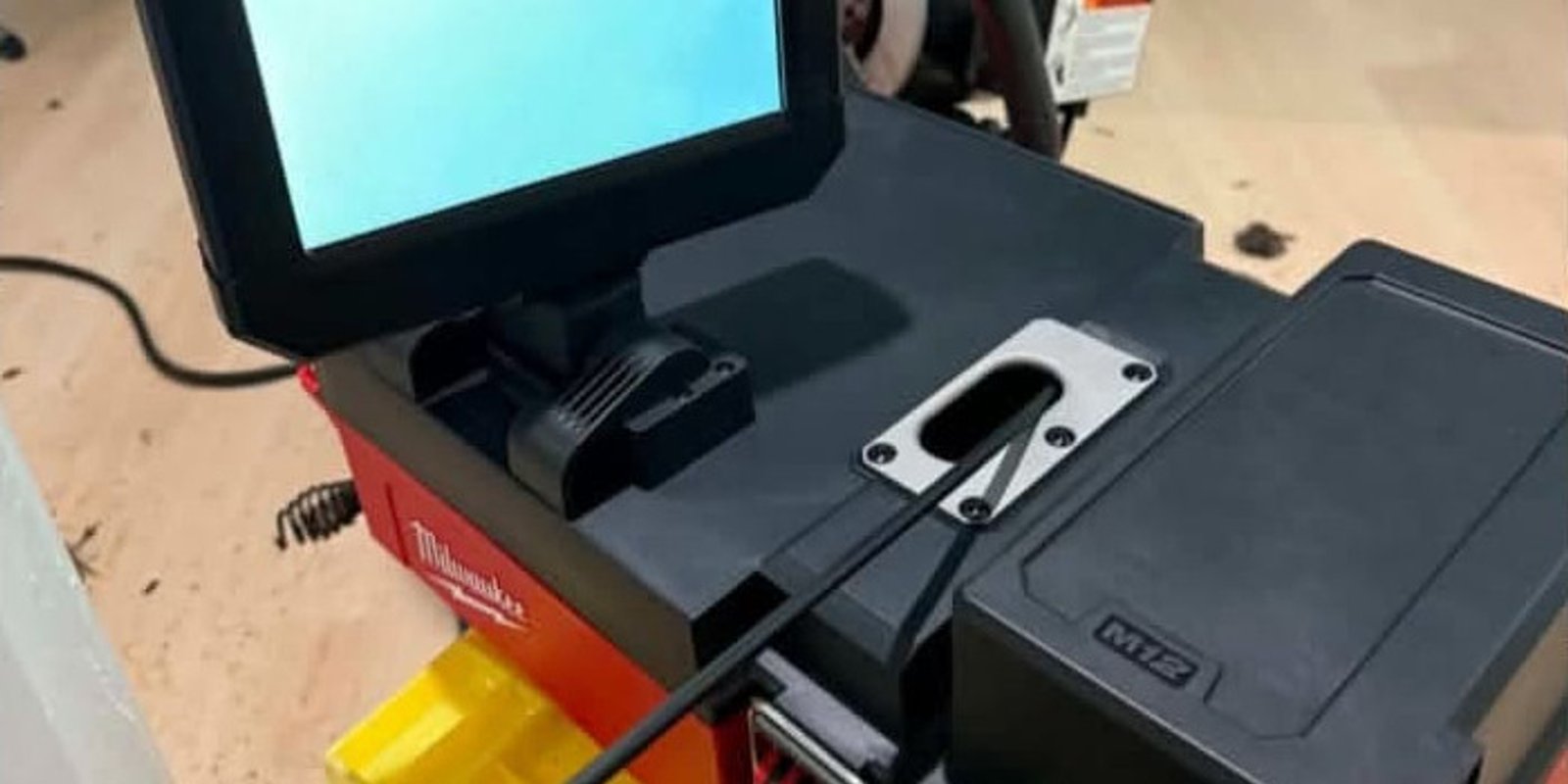
A cable machine may clear an obstruction without showing why it formed. When the same drain keeps blocking, a sewer camera can reveal roots, scale, damaged joints, offsets, or a collapsed section.
The inspection gives the plumber evidence before recommending repair or replacement. It can also confirm the condition of an older service line when a homeowner is planning a basement renovation or buying a property with a history of drainage trouble.
Squad V provides drain cleaning and sewer-camera inspection in Edmonton for recurring clogs and suspected sewer-line problems.
How a backwater valve protects the basement
A backwater valve sits in the sanitary sewer line. Wastewater normally flows out of the home through an open flap. If sewage begins flowing back from the main line, the flap closes to block it from entering the basement.
The valve is a last line of defence, not a cure for a blocked private sewer line. It must be the correct type, installed in the right location, and kept accessible for inspection.
When the valve is closed, wastewater from the home cannot leave. Do not use toilets, sinks, showers, washing machines, or dishwashers until the flap reopens. Water used inside the home could otherwise rise through a floor drain.
Maintain the backwater valve
Follow the manufacturer's inspection and cleaning instructions. In general, the access cover should remain reachable, the flap should move freely, and debris should not prevent it from sealing. Check the seal and valve body for wear or damage.
Wear gloves and eye protection when opening equipment connected to a sanitary line. If the valve is difficult to reach, corroded, damaged, or unfamiliar, have a qualified plumber service it.
Permits and Edmonton's subsidy program
The City of Edmonton requires a plumbing permit when a backwater valve is installed or altered. A professional installer can identify the correct valve and arrange the required inspection.
EPCOR currently offers eligible Edmonton homeowners up to $800 toward professional backwater-valve installation. The program focuses on qualifying homes built before 1989 and properties with previous basement flooding or neighbourhood flood history. Funding is limited and conditions can change, so review the current EPCOR backwater-valve subsidy requirements before arranging the work.
What a sump pump does differently
A sump pump collects groundwater from the weeping-tile system and pumps it away from the foundation. It helps protect the basement from groundwater, but it does not replace a backwater valve on the sanitary sewer line.
Test the pump according to the manufacturer's instructions. Check that it has power, the float moves freely, and water flows through the outside discharge. Clear visible debris and listen for unusual sounds. An alarm and backup power can provide warning or continued operation during a failure.
The outside discharge must move water away from the foundation without affecting neighbouring property. EPCOR advises disconnecting exterior sump hoses during winter to prevent freezing and blockage. A plumber can review the permanent discharge if you are not sure how it should operate in freezing weather.
Squad V installs and services sump pumps and battery backup systems in Edmonton.
Keep surface water away from the foundation
Sewer protection works best as part of the whole property drainage system. Clear leaves and debris from eavestroughs. Direct downspouts away from the foundation and toward an approved drainage path. Maintain lot grading so water does not collect beside the basement.
Before snowmelt, move snow away from window wells, downspouts, and the foundation where practical. Do not redirect water onto a neighbouring property.
What to do during a sewer backup
Stop using water throughout the home. Keep people and pets away from the affected area, especially if electrical equipment is nearby. Do not enter standing water when there may be an electrical hazard.
Call a plumber to assess the blockage and determine whether the problem is on private property. Contact your insurer promptly and document visible damage from a safe location. Sewage cleanup may require a restoration company with the right protective equipment and sanitation process.
Edmonton sewer-backup prevention and drain service
No single device prevents every kind of basement flooding. A maintained backwater valve can stop reverse sanitary flow. A working sump pump manages groundwater. Clear drains, a sound private sewer line, and proper surface drainage reduce other common risks.
If you have recurring clogs, an older sewer line, a backwater valve that needs service, or an unreliable sump pump, Squad V Plumbing Inc. can inspect the system and explain the available options. Call (780)-667-7169 or request drain and sewer service in Edmonton.