

Fall is the right time to find plumbing problems that could become emergencies during an Edmonton cold snap. A loose outdoor hose, a slow basement drain, or an untested sump pump may seem minor in September. It is much harder to deal with after the ground freezes or snow begins to melt.
Use this ten-point checklist to prepare your plumbing before winter. Most items take only a few minutes to inspect. If you find a leak, damaged pipe, unreliable pump, or recurring blockage, there is still time to arrange a repair before colder weather arrives.
1. Disconnect every outdoor hose
Remove garden hoses, splitters, timers, and spray nozzles from outdoor faucets. Drain the hoses before storing them. Water left in a connected hose can freeze and place pressure on the faucet or the pipe inside the wall.
Check garages, side yards, patios, and back lanes so a less-used connection is not forgotten.
2. Shut off and drain outdoor faucets
If an outdoor faucet has a dedicated interior shutoff, close it and drain the remaining water from the exterior side. Follow the manufacturer's instructions for frost-proof fixtures, because their winter operation may differ.
Look for drips, loose handles, cracks, and staining around the wall penetration. A faucet that leaks in fall should be repaired before freezing temperatures arrive.
3. Winterize irrigation and outdoor water equipment
Turn off the irrigation timer and main valve. Protect above-ground parts and arrange a proper blowout if the system requires one. Pools, fountains, rain barrels, and outdoor kitchens also need winter preparation.
Do not improvise with compressed air if you do not know the system's pressure limits. An irrigation contractor or plumber can help prevent damage to valves and fittings.
4. Inspect and insulate pipes in cold areas
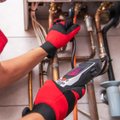
Walk through the basement, crawl space, garage, utility room, and cabinets on exterior walls. Look for bare water lines, damaged insulation, cold drafts, corrosion, and old repairs.
Foam sleeves can protect accessible pipes, but insulation alone may not be enough in a space that drops below freezing. Seal appropriate drafts and make sure building heat can reach vulnerable plumbing. Read our full guide on preventing frozen pipes in Edmonton for winter and vacation precautions.
5. Check heat around plumbing
Confirm that basement and utility-room vents are open and unobstructed. Keep interior doors open where warm air needs to circulate. If plumbing runs through a garage or addition, check how cold that area becomes overnight.
Do not block appliance ventilation or place portable heaters next to combustible materials. A recurring cold spot should be corrected safely instead of relying on a temporary heater all winter.
6. Find and inspect the main water shutoff
Locate the home's main water shutoff and clear away stored items that block access. Make sure other household members know where it is.
Look for corrosion, moisture, or a missing handle. Do not force a stiff valve. A plumber can test or replace it without waiting for a burst pipe to turn it into an emergency.
7. Repair leaks and running fixtures
Check under sinks, around toilets, behind accessible appliances, and near the water heater. Watch for dripping connections, damp cabinets, staining, soft flooring, or a toilet that continues running after it is flushed.
Small leaks waste water and can damage finished surfaces. Moisture near an exterior wall can also make it harder to tell whether a pipe has started leaking after a freeze.
Squad V Plumbing provides residential plumbing repairs in Edmonton for leaking fixtures, water lines, shutoffs, and other household plumbing problems.
8. Check the water heater
Look around the water heater for active leaks, rust, moisture at connections, unusual sounds, or changes in hot-water performance. Keep the area clear and confirm that required vents and drains are unobstructed.
Follow the manufacturer's maintenance schedule. Do not drain, adjust, or disassemble gas or electric equipment unless you know the correct procedure. A qualified technician should inspect fuel, venting, electrical, or pressure-relief concerns.
9. Test the sump pump and prepare its discharge
Follow the pump manufacturer's test instructions. Many systems can be tested by checking power, making sure the float moves freely, and adding enough water to the pit to start the pump. Confirm that water flows from the discharge outside.
Clear visible debris and listen for grinding, rattling, or a motor that runs without moving water. Consider a high-water alarm and backup power if the basement depends on the pump.
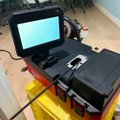
EPCOR advises disconnecting exterior sump discharge hoses during winter so they do not freeze and block the line. Make sure the remaining discharge setup is safe and directs water away from the foundation. Visit our Edmonton sump-pump service page if the pump is unreliable or the discharge arrangement needs review.
10. Inspect the backwater valve and watch slow drains
If the home has a backwater valve, locate its access cover and follow the manufacturer's cleaning schedule. Debris can prevent the flap from sealing. A cracked seal, stiff flap, corrosion, or damaged cover needs professional attention.
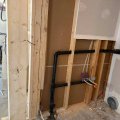
Pay attention to slow drains, repeated clogs, gurgling, sewage odours, and water rising in a floor drain. These can point to a problem farther down the sewer line. A camera inspection can help locate roots, buildup, offsets, or damaged pipe without relying on guesswork. Learn more about drain cleaning and camera inspection in Edmonton.
Keep this checklist for next fall
Write down anything that needs repair and note the date you tested the sump pump and inspected the backwater valve. Keeping a simple record makes seasonal maintenance easier and helps you notice changes from one year to the next.
If the checklist turns up a leak, damaged pipe, slow drain, or pump problem, call Squad V Plumbing Inc. at (780)-667-7169 or book plumbing service in Edmonton. Dealing with it in fall is usually easier than discovering it during the first deep freeze.