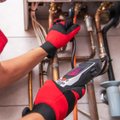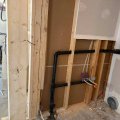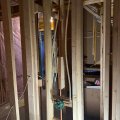


Edmonton winters are hard on plumbing. Water expands as it freezes, and the pressure trapped inside a water line can split a pipe or fitting. The damage may stay hidden until the ice thaws and water begins leaking into a wall, ceiling, cabinet, or basement.
The best time to prevent frozen pipes is in fall, before the first long stretch of cold weather. This guide covers the parts of a home that need attention, what to do before a winter trip, and how to respond if a faucet suddenly slows to a trickle.
Where pipes are most likely to freeze
A pipe does not have to be outdoors to freeze. The highest-risk water lines are usually in places where heat does not circulate well or cold air enters the building.
Check water lines in:
- Unfinished basements and crawl spaces
- Garages and utility rooms
- Cabinets on exterior walls
- Areas near doors, windows, vents, and foundation openings
- Attics or additions with limited insulation
- Outdoor faucets and irrigation connections
Pay close attention to the point where the water service enters the house. A cold draft in that area can affect the main supply before it reaches the rest of the plumbing.
How to prevent frozen pipes before winter
Disconnect and drain outdoor hoses
Remove garden hoses from outdoor faucets before freezing weather. A connected hose can hold water against the faucet and prevent the line from draining. If that water freezes, pressure can damage the faucet or the pipe inside the wall.
If the outdoor faucet has an interior shutoff valve, close it. Open the exterior faucet long enough to drain the remaining water, then follow the faucet manufacturer's winterizing instructions. An insulated faucet cover can add protection when the fixture is not frost-proof.
Winterize irrigation systems, pools, fountains, and other outdoor water equipment based on the manufacturer's instructions. Above-ground fittings and valve boxes can freeze even when the main equipment has been turned off.
Insulate vulnerable water lines
Foam pipe sleeves can reduce heat loss around accessible water lines. Fit the insulation closely and cover elbows, valves, and other exposed sections where practical.
Heat cable or heat tape must be suitable for the pipe material and installed exactly as the manufacturer directs. Damaged, overlapping, or incorrectly installed heating products can create a fire risk. Ask a plumber or electrician for help if the installation is not clear.
Pipe insulation slows heat loss, but it does not create heat. A line in a very cold space may also need better room insulation, draft sealing, or a safe source of building heat.
Stop cold air from reaching pipes
Look for gaps around windows, doors, utility penetrations, vents, and foundation walls. Seal accessible drafts with materials that suit the opening and comply with fire-safety requirements.
Do not block required combustion air, appliance vents, dryer vents, or fresh-air intakes. If a pipe runs near a furnace, water heater, or gas appliance, ask a qualified professional before changing ventilation around it.
Keep indoor heat steady
Keep the home heated during cold weather, including overnight and while you are away. Basements, crawl spaces, garages, and rooms above unheated areas can be much colder than the thermostat reading in the main living space.
Open interior doors so warm air can circulate. For a sink on an exterior wall, opening the cabinet door may help room air reach the plumbing. Move household chemicals and cleaners out of reach of children and pets before leaving a cabinet open.
During severe cold, EPCOR advises that even a slow drip from a hot or cold tap can help keep water moving. This is a short-term precaution for a vulnerable line, not a substitute for correcting missing insulation or cold drafts.
Know where the main water shutoff is
Find the main shutoff before an emergency. It is often near the water meter or where the water service enters the basement. Make sure household members know its location and keep the area accessible.
Do not force a valve that is seized, leaking, or badly corroded. Squad V Plumbing can inspect or replace a problem shutoff so it is ready when you need it. Learn more about our residential plumbing services in Edmonton.
Prevent frozen pipes while you are away
Do not turn the heat off when leaving an Edmonton home during winter. EPCOR recommends keeping the home heated and having a house sitter run the taps during visits.
Before a winter trip:
- Check faucets, toilets, visible pipes, and the water heater for leaks
- Disconnect outdoor hoses and winterize exterior plumbing
- Keep the thermostat at a safe, steady temperature
- Leave interior doors open for air circulation
- Ask someone to check the house regularly
- Confirm that the main shutoff is accessible
- Review your insurance policy's vacancy and winter-heating requirements
If you plan to shut off and drain the home's water system, have a plumber confirm the right procedure. Water heaters, boilers, fire sprinklers, humidifiers, and other equipment may need special handling.
Signs that a pipe may be frozen
Common warning signs include:
- No water or only a trickle from one or more faucets
- An unusual drop in water pressure during cold weather
- Frost or ice on an exposed pipe
- Bulging, cracked, or damp pipe insulation
- A strange smell from a drain because water is not moving normally
- Water stains, dripping, or the sound of running water after temperatures rise
If every fixture has lost water, check EPCOR's outage information before assuming the problem is inside the home. A frozen service line or water-main issue can affect more than one fixture.
What to do if a pipe freezes
Turn off the main water supply if you see a split pipe, active leak, bulge, or water damage. Open the affected faucet to relieve pressure, then call a plumber.
For a small, accessible frozen section with no visible damage, gentle heat may help. EPCOR recommends options such as a hair dryer, heat lamp, or safely positioned space heater. Keep electrical equipment dry, maintain clearance from combustible materials, and stop if the pipe is inside a wall or difficult to reach.
Never use a torch, lighter, candle, or other open flame. Edmonton Fire Rescue warns that heat can travel along a pipe and ignite materials inside a wall.
After water flow returns, inspect the full accessible length of the pipe. Freezing can open a crack that does not leak until the ice has melted.
When to call Squad V Plumbing
Call a plumber when a frozen section is concealed, the pipe will not thaw, the main shutoff does not work, or there is any sign of a split line or water damage. A professional can isolate the problem, repair damaged plumbing, and look for the cold spot that allowed it to freeze.
Squad V Plumbing Inc. serves Edmonton and surrounding areas with residential and commercial plumbing repairs. Call (780)-667-7169 or contact Squad V Plumbing before a vulnerable pipe becomes a winter emergency.